 By Jimmy
 22 Aug, 2026
 6 Minutes Read
Exterior stone-panel pricing varies by material, attachment system, wall condition, access and region. As a current U.S. benchmark, This Old House's June 2026 stone-veneer guide reports about $13–$22 per square foot professionally installed for stone veneer. Treat that as an early budgeting reference, not an Angtai price or a universal exterior-cladding average.
The examples below were checked on August 26, 2026. Retail prices can change and do not include the same installation scope.
| Reference | Published price | What it represents |
|---|---|---|
| This Old House 2026 stone veneer guide | $11–$18/sf material; $13–$22/sf installed | Broad U.S. residential stone-veneer benchmark |
| This Old House 2026 stone siding guide | $3–$5/sf faux panels; $5–$30/sf natural stone depending on type | Material-only category ranges |
| Home Depot flexible clay panel example | about $11.25/sf at time checked | One 4×8 flexible-clay retail listing, not an Angtai quote |
| Home Depot composite decorative panel example | about $11.60/sf at time checked | One 4×8 composite retail listing |
For Angtai flexible stone, request current pricing by model, size, quantity, destination and application. Freight, duties, tax, substrate preparation, adhesive, trims and labor should be priced separately unless the quote explicitly includes them.
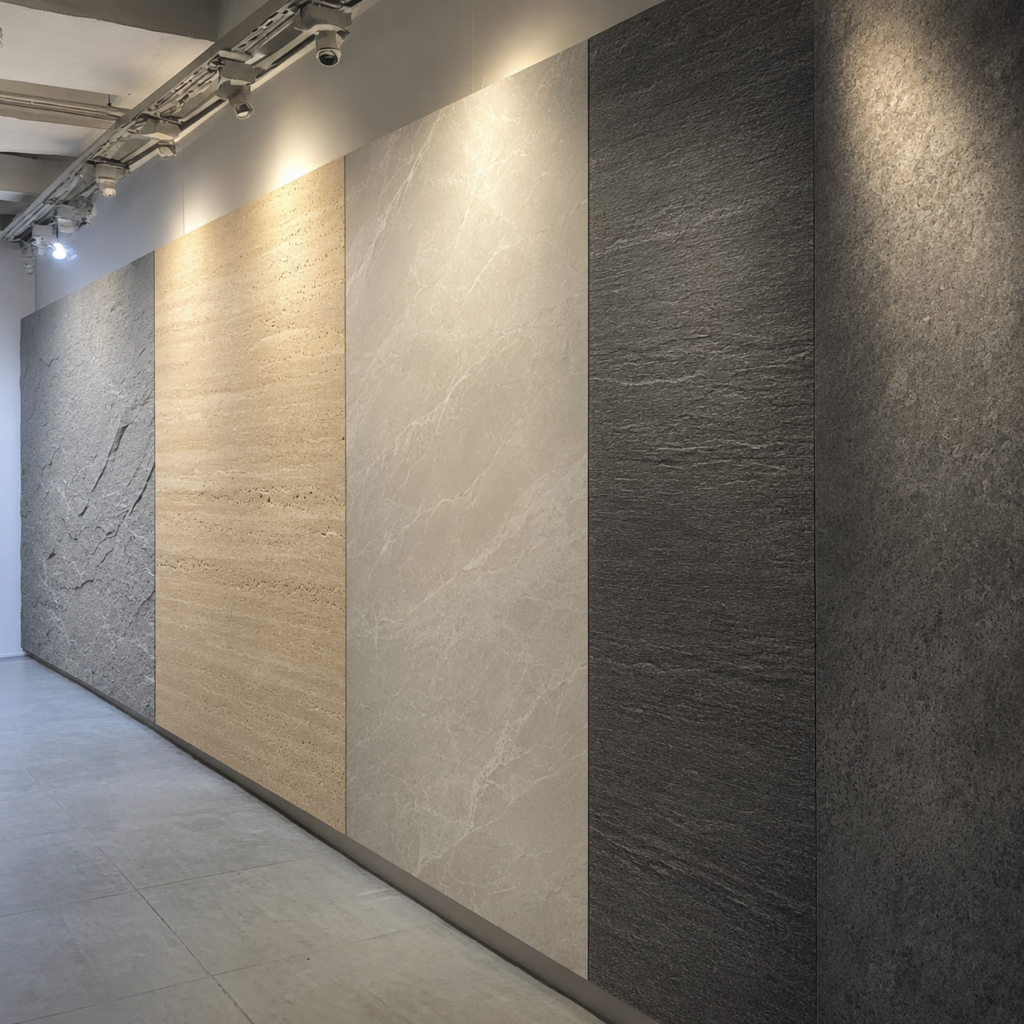
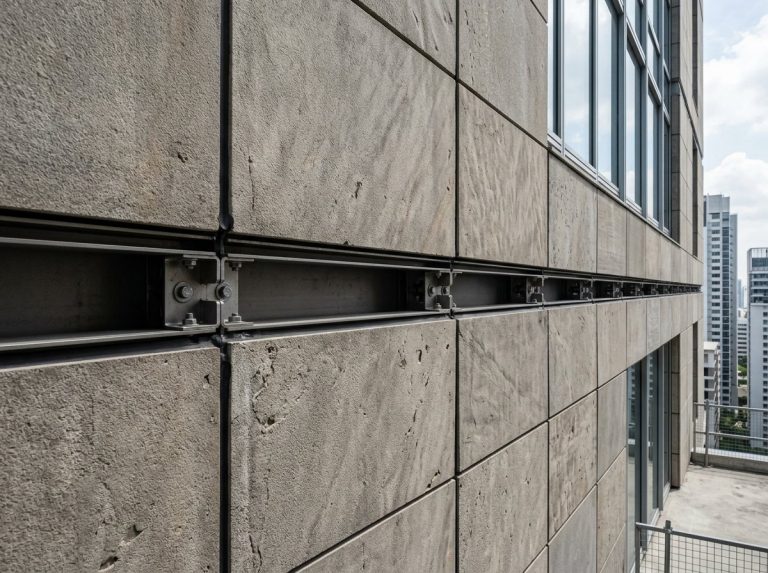
Natural stone costs the most because it's quarried, heavy, and slow to install. Manufactured/cultured stone trims cost by molding concrete into stone shapes. Lightweight flexible and MCM-based panels sit in a different category — thinner, adhesive-applied, and suited to substrates that would struggle to support a mortared stone bed. Thin veneer pricing specifically follows its own math, covered under thin stone veneer cost, and sandstone-style options carry their own sandstone veneer options and sandstone veneer pros and cons. Some jurisdictions also require non-combustible cladding on certain building types, so it's worth confirming what non-combustible means before locking in a material.
Cost per square foot doesn't scale linearly. A small accent wall pays a premium for cutting, waste, and minimum job fees; a full façade spreads fixed costs (scaffolding, delivery, crew setup) over more area, often lowering the effective rate.
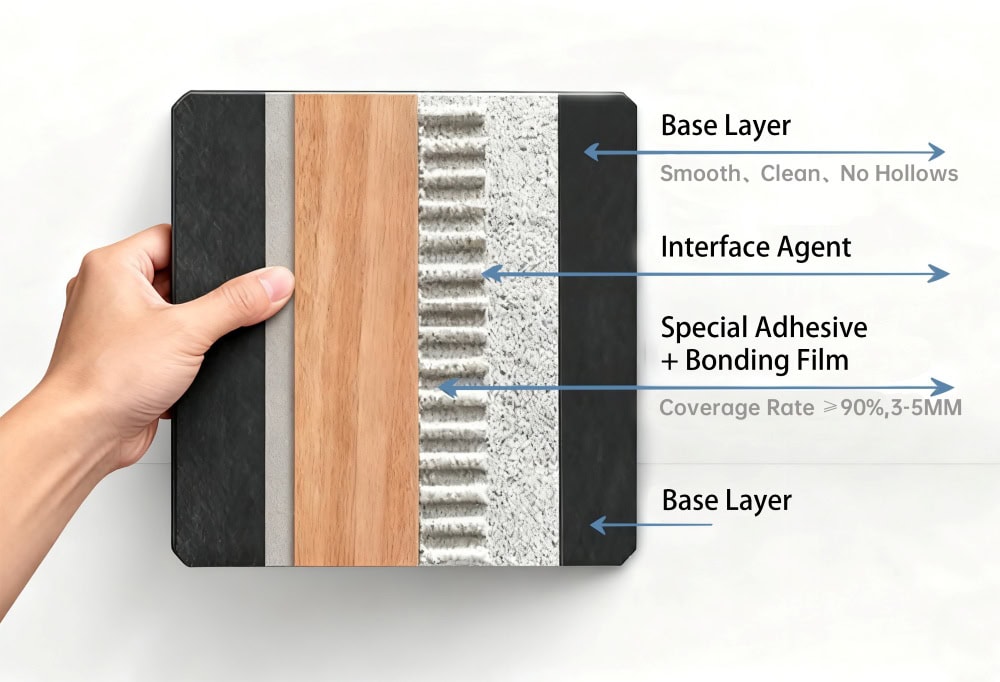
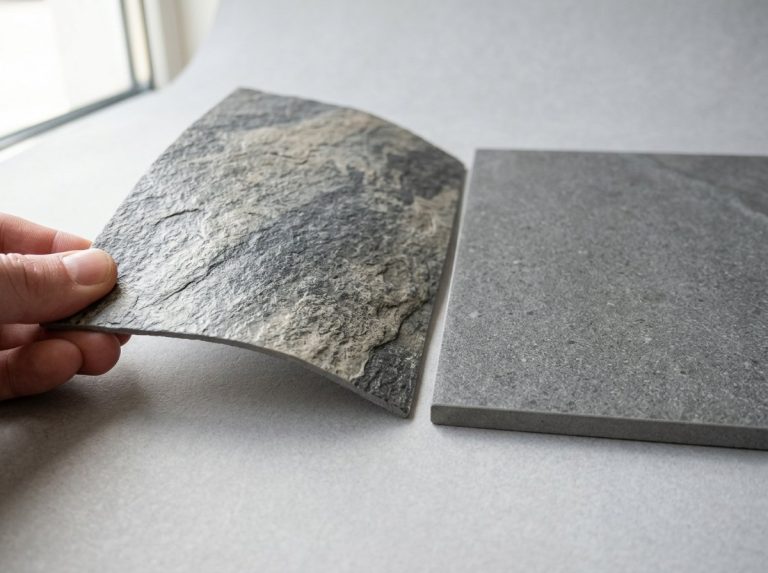
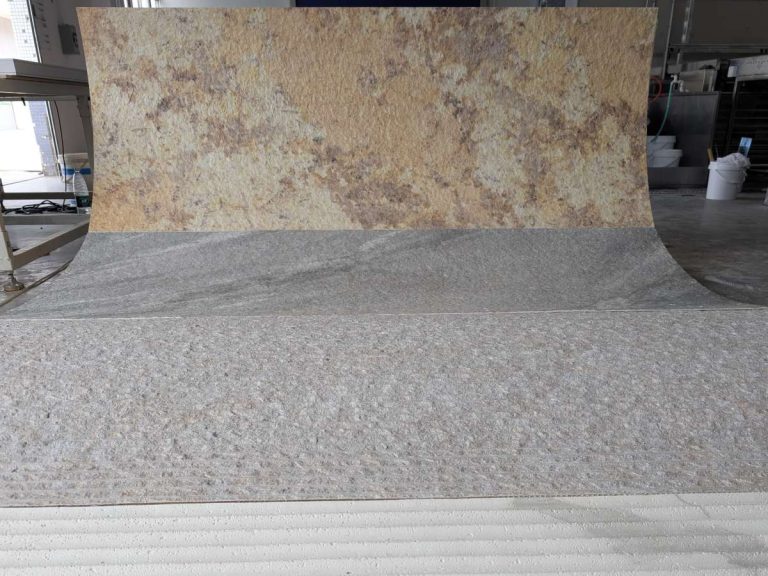
Traditional stone veneer usually needs a scratch coat, lath, and moisture barrier before installation. Flexible stone systems are designed for direct adhesive application onto substrates like concrete slab, cement wall, calcium-silicon board, existing ceramic tile, OSB, aluminum-plastic panel, and plate metal — provided the surface is level, clean, dry, and coated with an interface agent first. That can simplify prep on certain wall types, though it doesn't eliminate the need for a sound, properly prepared base.
DIY saves labor cost but adds project time and risk of mistakes on cuts and alignment. Professional installation adds cost but ensures proper bonding and a straighter finish. Because flexible panels are adhered directly to a properly prepped substrate rather than fastened with brackets or set in a mortar bed, they can help reduce labor hours on suitable walls. Weigh that potential savings against limitations like substrate flatness requirements and cure time in the stone wall panel pros and cons comparison.
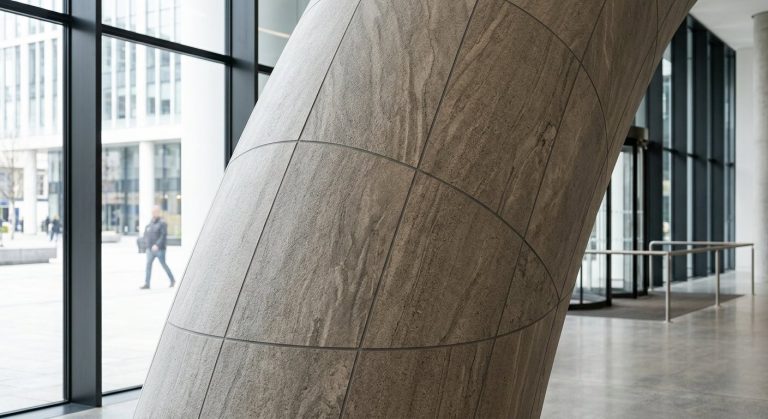
Curves, corners, and backlit features raise labor cost regardless of material family — expect higher quotes for intricate cuts, tight corners, and finishing details that add extra install time on top of the base material rate.
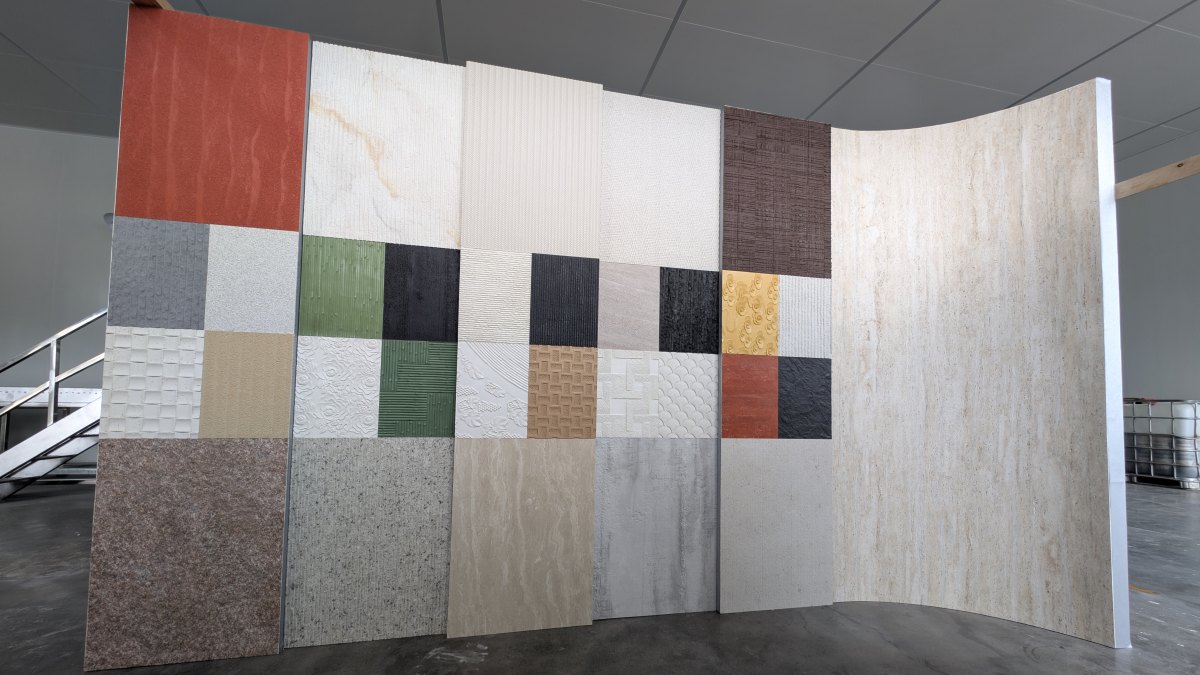
A 4×8 panel covers 32 square feet, but price per sheet is not comparable until material, pack quantity, exterior suitability and installation system match. Two Home Depot examples checked on August 26, 2026 were about $11.25–$11.60 per square foot; they are individual flexible-clay and composite products, not a market average, and retailer prices can change. Compare current listings with Angtai's faux stone sheets and request a quote for the required size, finish and destination.
Natural stone thin veneer typically runs 12–15 lbs per square foot — heavy enough to demand structural consideration on tall walls. Flexible stone panels are built to be handled and adhered without that mortar-bed weight, which is part of why they suit curved surfaces and upper-floor façades that natural veneer struggles with. Interior walls carry different load, moisture, and traffic considerations than exterior façades — the stone wall panels pros and cons comparison covers that indoor use case separately. For the full exterior trade-off breakdown across material families, see stone veneer vs alternatives.
Broad ranges are useful for budgeting, but actual cost depends on your wall dimensions, substrate, and pattern selection. Angtai turns quote responses are typically issued within one business day after complete project details are received, and free samples are available once pricing is confirmed (you cover express shipping). Ventilated façade systems price out differently than direct-adhesive installs, and that installed-cost math is covered under rainscreen system cost. Start with the specs on the exterior stone wall panels page, then request a quote for a project-specific number.
How much does a stone exterior cost?
A June 2026 U.S. guide from This Old House places professionally installed stone veneer around $13–$22 per square foot. Natural stone, faux panels and project-specific flexible stone can differ substantially, so treat that range as a budgeting reference and obtain current local quotes.
What is the best fake stone for exterior use?
It depends on climate, code, wall condition, weight limits, appearance and the tested installation system. Compare model-specific weathering, fire, freeze-thaw and adhesion documents before choosing an exterior panel.
Is stone veneer cheaper than real stone?
It often is because panelized or manufactured veneer can reduce material weight and installation labor, but the result varies by stone type, wall preparation, access and region. Compare current bids on the same project scope.
How much more expensive is stone than siding?
The difference varies by siding type, wall preparation, access and location. Use published ranges only for early budgeting, then compare local installed bids that include trims, membrane, fasteners or adhesive and waste.
How much do exterior faux stone panels cost per 4×8 sheet?
Current retailer examples vary widely by material. Two Home Depot 4×8 listings checked in August 2026 were about $11.25–$11.60 per square foot; those are individual products, not a market average, and prices can change.
What is the average exterior stone panel cost per square foot?
A June 2026 U.S. guide lists professionally installed stone veneer at about $13–$22 per square foot. Use that only as an early benchmark; obtain local installation bids and a current Angtai quote for the selected flexible-stone model.

13 Oct, 2026
10 Oct, 2026
08 Oct, 2026
18 Sep, 2026
 Guidelines
 Guidelines
 Guidelines
 Guidelines
 Guidelines
 Guidelines